
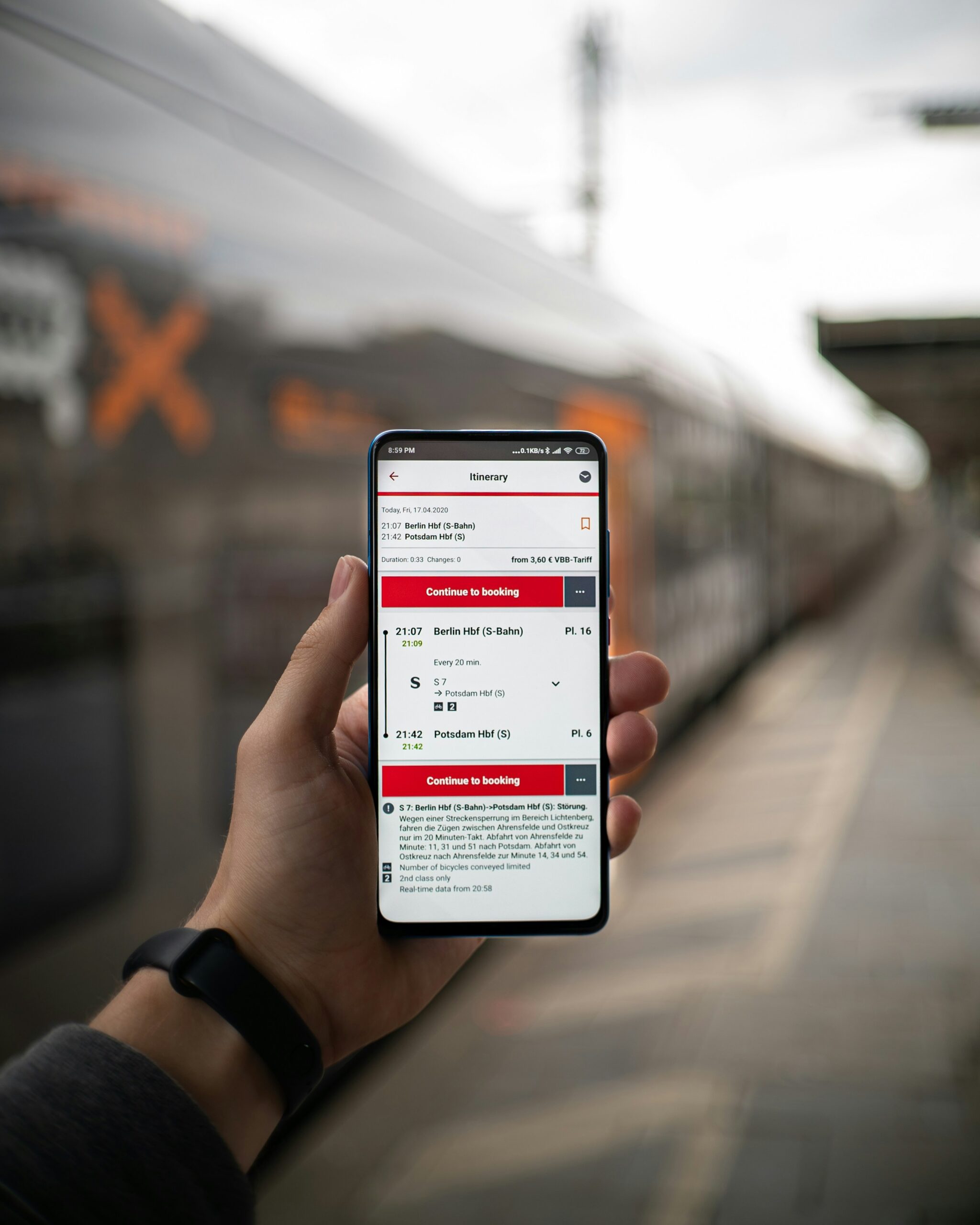
Trust is everything in the tour and travel business. Unlike buying a physical product, travelers have to trust you before they hand over their money for an experience they haven’t seen or felt yet. If your website looks unprofessional or lacks basic information, potential customers will hesitate, often before they even reach out to ask a single question.
This article covers practical design tips that help tour operators build credibility online, from a traveler’s perspective encountering your business for the first time.
Why Trust Matters More in Travel Than Other Industries
Travel transactions typically involve larger amounts of money, paid upfront, long before the service is actually delivered. Travelers have to pay first and experience the trip later. This makes them far more cautious compared to buying something they can receive immediately.
Your website becomes the first place where that trust either starts building, or falls apart.
Design Elements That Build Traveler Confidence
Lead With Real Photos, Not Stock Images

Nothing undermines trust faster than obviously generic stock photography. Travelers can usually tell the difference. Real photos from actual trips, even if imperfect, are far more convincing than polished stock images that could belong to any travel company in the world.
Make Pricing and Inclusions Clear
Don’t hide behind “contact us for pricing” for every single package. At minimum, show a price range or starting price per category. Websites that force potential customers to reach out just to learn a rough budget often come across as less transparent, and less trustworthy.
Show Detailed Itineraries, Not Vague Descriptions
A package labeled “3 Days 2 Nights Adventure” without specifics doesn’t give travelers enough to work with. Break down what happens each day, departure times, destinations, included meals, and accommodations. The more specific, the more credible.
Feature Genuine Testimonials and Trip Documentation

This is the single most important trust element for travel businesses. Written testimonials, photos, and videos from actual past travelers carry far more weight than any marketing copy you could write yourself.
Display Clear Contact and Business Information
Include a physical office address, direct contact number, and if applicable, business registration or license information. This reassures travelers that they’re dealing with a real, accountable business, not an anonymous social media account.
State Your Cancellation and Refund Policy Upfront
Many travelers hesitate simply because they’re afraid of losing money if plans change. A clearly explained cancellation policy removes a major source of doubt before they even need to ask.
Keep the Design Simple and Content-Focused
Resist the urge to overload your website with decorative design elements. Let destination photos and package information take center stage. Travelers are trying to make a decision, not admire your website’s visual effects, and too much distraction can actually work against you.
Make sure the site works well on mobile too. Many travelers browse and compare packages casually, often during downtime, not always sitting at a desktop computer.
Build Trust Before Travelers Even Ask
The more complete and transparent your website is, the fewer doubts potential customers need to resolve through back and forth messaging. This isn’t just about trust, it’s about efficiency too, travelers who already feel confident from browsing your website tend to make booking decisions faster.
If you’re looking to build a tour operator website designed specifically to earn traveler trust from the very first visit, our team is ready to help, from planning the structure to launching a site that’s ready to convert.
Trust is everything in the tour and travel business. Unlike buying a physical product, travelers have to trust you before they hand over their money for an experience they haven’t seen or felt yet. If your website looks unprofessional or lacks basic information, potential customers will hesitate, often before they even reach out to ask a single question.
This article covers practical design tips that help tour operators build credibility online, from a traveler’s perspective encountering your business for the first time.
Why Trust Matters More in Travel Than Other Industries
Travel transactions typically involve larger amounts of money, paid upfront, long before the service is actually delivered. Travelers have to pay first and experience the trip later. This makes them far more cautious compared to buying something they can receive immediately.
Your website becomes the first place where that trust either starts building, or falls apart.
Design Elements That Build Traveler Confidence
Lead With Real Photos, Not Stock Images
Nothing undermines trust faster than obviously generic stock photography. Travelers can usually tell the difference. Real photos from actual trips, even if imperfect, are far more convincing than polished stock images that could belong to any travel company in the world.
Make Pricing and Inclusions Clear
Don’t hide behind “contact us for pricing” for every single package. At minimum, show a price range or starting price per category. Websites that force potential customers to reach out just to learn a rough budget often come across as less transparent, and less trustworthy.
Show Detailed Itineraries, Not Vague Descriptions
A package labeled “3 Days 2 Nights Adventure” without specifics doesn’t give travelers enough to work with. Break down what happens each day, departure times, destinations, included meals, and accommodations. The more specific, the more credible.
Feature Genuine Testimonials and Trip Documentation
This is the single most important trust element for travel businesses. Written testimonials, photos, and videos from actual past travelers carry far more weight than any marketing copy you could write yourself.
Display Clear Contact and Business Information
Include a physical office address, direct contact number, and if applicable, business registration or license information. This reassures travelers that they’re dealing with a real, accountable business, not an anonymous social media account.
State Your Cancellation and Refund Policy Upfront
Many travelers hesitate simply because they’re afraid of losing money if plans change. A clearly explained cancellation policy removes a major source of doubt before they even need to ask.
Keep the Design Simple and Content-Focused
Resist the urge to overload your website with decorative design elements. Let destination photos and package information take center stage. Travelers are trying to make a decision, not admire your website’s visual effects, and too much distraction can actually work against you.
Make sure the site works well on mobile too. Many travelers browse and compare packages casually, often during downtime, not always sitting at a desktop computer.
Build Trust Before Travelers Even Ask
The more complete and transparent your website is, the fewer doubts potential customers need to resolve through back and forth messaging. This isn’t just about trust, it’s about efficiency too, travelers who already feel confident from browsing your website tend to make booking decisions faster.
If you’re looking to build a tour operator website designed specifically to earn traveler trust from the very first visit, our team is ready to help, from planning the structure to launching a site that’s ready to convert.
Leave a Reply